Bringing Farmhouse Charm to Modern Projects
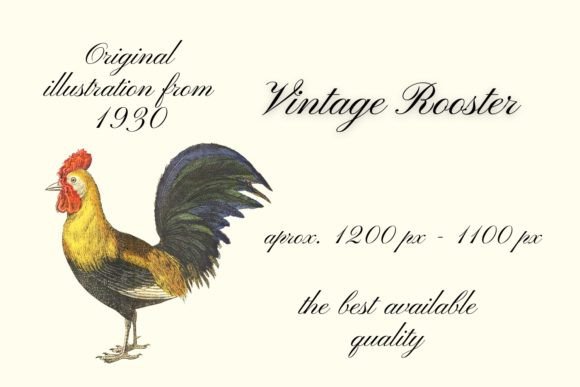
In the vast landscape of digital design assets, finding graphics that balance nostalgia with high-resolution utility can be challenging. The Vintage Rooster Illustration, Homestead collection bridges that gap perfectly, offering a slice of pastoral history suitable for contemporary applications. Originally sourced from a mid-century Polish children's book, this specific clipart retains the intricate linework and shading typical of classic woodcut or etching styles. It is not merely a generic farm animal graphic; it possesses a distinct character that feels both whimsical and grounded in traditional homestead aesthetics.
The Anatomy of a Classic Rooster
When evaluating design assets, the visual weight and personality of the subject matter are paramount. This particular rooster illustration captures the bird in a dynamic pose, likely crowing or strutting, which injects energy into any layout. The artist utilized a specific cross-hatching technique that gives the image depth and texture without relying on color. This monochromatic approach is a significant advantage for brand identity and logo design. A vintage line drawing integrates seamlessly into modern typography trends, particularly when paired with a bold sans serif font for contrast or a flowing script font to emphasize the rustic theme.
The "personality" of this rooster is distinctly analog. In an era dominated by vector-perfect, flat design, the organic imperfections of a scanned book illustration provide a human touch. For small business owners in the artisanal space—think coffee roasters, organic farms, or craft breweries—this image signals authenticity. It tells the audience that the brand values tradition and craftsmanship. The illustration style also complements handwritten fonts, creating a cohesive look for packaging design where the goal is to appear homemade and approachable rather than corporate.
Strategic Applications for Designers and Entrepreneurs
The utility of the Vintage Rooster Illustration, Homestead extends far beyond simple scrapbooking. For digital marketers and content creators, the transparent PNG format is a critical feature. It allows the rooster to be layered over complex backgrounds in social media graphics or website headers without unsightly white boxes. Here is how different professionals can leverage this asset:
- Publishing and Editorial Design: Use the illustration as a spot illustration in cookbooks or lifestyle magazines. It works exceptionally well as a chapter header icon or a decorative element in a "farm-to-table" recipe column.
- Web Design and UI: While the rooster itself is a display element, it can be stylized into a favicon or a loading animation for boutique agricultural blogs. It adds a layer of visual storytelling to the user experience.
- Merchandise and POD (Print on Demand): Because the file is prepared for high-quality printing, it is ideal for merchandise. Think vintage-style t-shirts, tote bags, or ceramic mugs. The illustration holds up well on physical products because of its clean lines and distinct silhouette.
- Nursery and Wall Art: For interior designers or parents creating a farmhouse-themed nursery, this image serves as excellent wall art. It can be framed simply or incorporated into a larger typographic print featuring a family name or a farm-related quote.
Integrating Vintage Assets into Modern Workflows
One of the common pitfalls in using vintage fonts or illustrations is the risk of the final product looking dated or cluttered. To avoid this, treat the Vintage Rooster Illustration, Homestead as a focal point rather than a texture. In logo design, negative space is your friend. Allow the illustration to breathe so the intricate details remain visible even at smaller sizes.
Regarding font pairing, the goal is to balance the complexity of the illustration with the simplicity of the text. If you are creating a sign or a poster, avoid overly ornate serif fonts that might compete with the rooster's feathers. Instead, opt for a sturdy, geometric typeface that anchors the design. Conversely, if the rooster is used as a small accent, you can afford to use a more expressive display font for the headlines.
Color Theory and Monochrome
The provided files are likely monochromatic, which offers immense flexibility. You can easily apply a "color overlay" in Photoshop or Illustrator to match the rooster to your specific brand identity palette. A deep burgundy or forest green can transform the feel from a children's book illustration to a sophisticated logo for a winery or a landscape architecture firm. This adaptability makes it a premium asset for designers who need to maintain consistency across various platforms, from web design to print collateral.
Evaluating Commercial Licensing and Quality
Before incorporating any asset into a commercial project, reviewing the file quality and usage rights is a professional necessity. The description notes that this clipart was "prepared carefully for printing," which implies a high DPI (dots per inch) and clean edges. This is essential for editorial design and physical goods where pixelation is unacceptable.
Furthermore, the availability of a transparent background removes the tedious step of manual masking, streamlining your workflow. Whether you are a hobbyist making a personal journal card or a marketing agency developing a campaign for a client, the ease of use allows you to focus on the creative concept rather than technical file preparation. By combining this illustration with a strong typographic hierarchy, you can create professional-grade designs that resonate with audiences looking for that authentic, homestead charm.