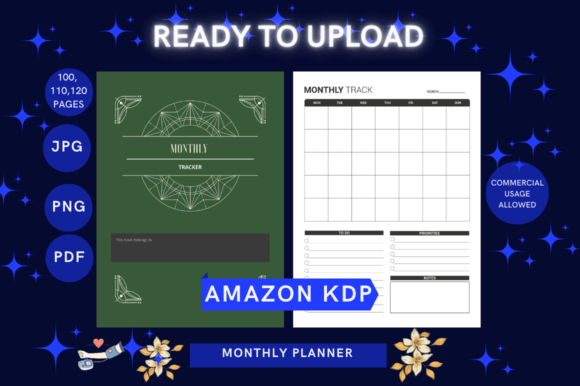
Monthly Tracker: Your Essential Tool for Content Planning
For anyone managing a business, a creative outlet, or a personal project, the flow of time can feel chaotic. Deadlines overlap, ideas get lost in notebooks, and the bigger picture fades into a blur of daily tasks. A solid system for tracking progress isn't just helpful; it's foundational. The Monthly Tracker provides exactly that structure. It’s a clean, functional tool designed to transform vague intentions into concrete, visible progress, month by month.
Visual Clarity That Drives Action
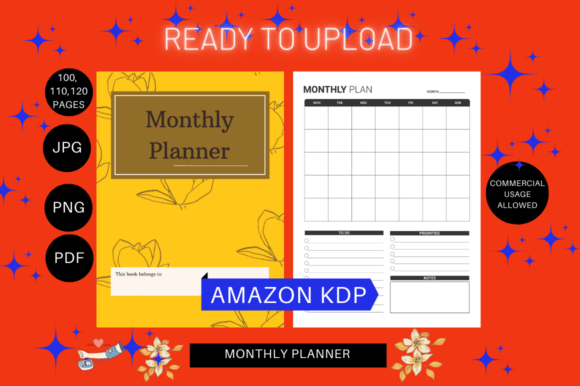
The first thing you notice about the Monthly Tracker is its uncomplicated design. There’s no clutter, no distracting graphics, just a logical, grid-based layout that prioritizes space for your own plans. The typography is clear and legible, using a neutral sans serif font that ensures dates, notes, and goals are easy to read at a glance. This isn't a decorative piece; it's a workhorse. Its visual personality is professional, organized, and quietly confident. The overall appeal lies in its simplicity—it provides the framework so your content, whether it's marketing campaigns, blog posts, or product launches, becomes the focus.
Where the Monthly Tracker Shines
Think of this tool as the backbone of your operational design. Its applications span a wide range of projects where consistency and foresight are key.
- Content Marketing & Social Media: Plan your editorial calendar visually. Map out blog topics, social media themes, email newsletter schedules, and campaign rollouts. Seeing a month at a time helps you maintain a consistent posting rhythm and spot gaps or opportunities for thematic content.
- Product Launches & Project Management: Break down a launch into phases. Use the tracker to outline pre-launch teasers, launch day activities, and post-launch follow-ups. For designers or developers, it’s ideal for visualizing project milestones and deliverables across sprints.
- Personal Branding & Business Growth: Entrepreneurs and small business owners can track networking events, content publication dates, sales goals, and strategic initiatives. It turns abstract growth targets into actionable weekly and monthly steps.
- Publishing & Editorial Design: Writers and publishers can plan manuscript deadlines, editing phases, cover design reviews, and marketing beats. It brings order to the complex timeline of getting a book or a magazine issue to market.
- Creative Projects & Hobbies: Crafters can plan collection releases. Hobbyists can track learning goals or project completion. It’s a versatile space for any endeavor that benefits from structured, incremental progress.
Building Brand Consistency and Professionalism
Using a tool like the Monthly Tracker does more than just organize your schedule; it influences how you and your audience perceive your work. When you plan visually, you create a clear visual hierarchy for your priorities. This directly impacts your ability to execute with consistency—a cornerstone of strong brand identity. Followers and customers begin to recognize your reliable cadence, which builds trust and recognition.
From a practical standpoint, having a month-view reduces decision fatigue. Instead of asking "What should I post today?" you’re executing a pre-considered plan. This professionalism extends to your output. A well-planned content strategy leads to more cohesive social media graphics, more thoughtful editorial design, and more strategic marketing materials. The tracker is the silent partner that makes your public-facing work look effortless and intentional.
Practical Guidance for Using Your Tracker
Getting the most out of this system involves a few simple steps. First, choose the format that fits your workflow. The provided PDF, PPT, PNG, and JPG files offer flexibility—use the PDF for printing a physical planner, the PPT for digital editing in presentation software, or the image files for importing into note-taking or design apps.
Next, evaluate the fit. Before you fill it in, look at the grid. Does it have enough space for your daily notes? Is the layout conducive to how you think—by week, by project, or by category? The 8.5" x 11" dimension is a standard that works well for both desk use and digital screens.
When you begin, start with big-picture goals for the month. What are the 2-3 major outcomes you want? Then, block out key dates and deadlines in the grid. Use different colors or symbols to categorize tasks (e.g., red for deadlines, blue for content creation, green for administrative tasks). This creates an instant visual map of your workload.
Finally, review and adapt. At the end of each month, look back at your tracker. What got done? What slipped? This isn’t about judgment; it’s about gathering data on your own workflow. Use these insights to plan the next month more realistically. This iterative process is where real productivity gains happen.
The Monthly Tracker is more than a printable page; it's a commitment to intentional progress. By externalizing your plan onto a clear, physical or digital space, you free up mental energy for the creative and strategic work that truly matters. It’s a simple asset with a significant impact on clarity, consistency, and professional output.