Project Planner 2: Streamlining Your KDP Publishing Workflow
For self-publishers, content creators, and small business owners, the gap between a finished manuscript and a polished, market-ready product often lies in the production details. Navigating the technical specifications of platforms like Amazon KDP can be time-consuming and prone to errors, especially when dealing with interior layouts. The Project Planner 2 bundle addresses this friction point directly, offering a suite of pre-formatted, tested design assets specifically engineered for the modern publisher.
Precision-Engineered for Amazon KDP
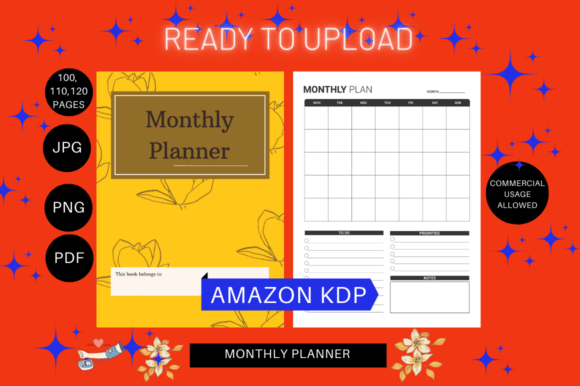
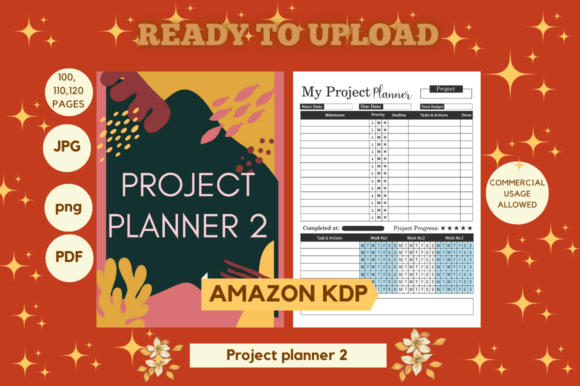
The core value of this package lies in its adherence to strict print-ready standards. You receive six distinct books, formatted at the industry-standard 8.5" x 11" dimensions. This size is versatile enough for journals, academic planners, and business tracking. Crucially, the files have been rigorously tested on the KDP platform. This eliminates the guesswork regarding margins and bleed settings—a common headache for independent publishers. By providing a "No Bleed" configuration, the Project Planner 2 ensures that your text and layout elements remain safe within the print boundaries, preventing accidental trimming during the manufacturing process.
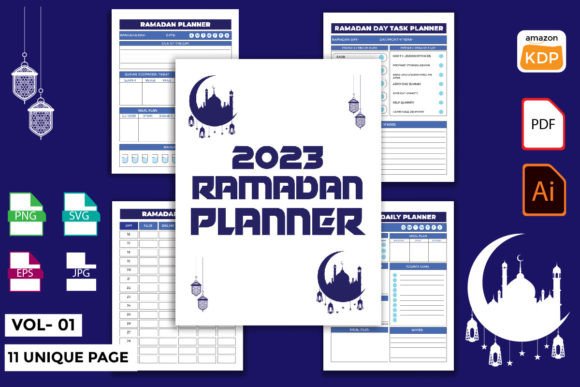
The variety in pagination—offering 100, 110, and 120 pages—provides strategic flexibility. Whether you are creating a concise quarterly planner or a comprehensive annual journal, these page counts allow you to balance production costs with perceived customer value. The availability of the content in PDF, PPT, PNG, and JPG formats further enhances this flexibility, allowing you to repurpose the design assets for digital use or social media marketing before the physical book even hits the shelves.
Visual Hierarchy and Usability
While the prompt mentions a "font," the Project Planner 2 functions as a complete interior design system. The visual personality of these planners relies on modern typography principles. A well-designed planner does not merely list dates; it guides the user's eye through a hierarchy of information. You will likely find a mix of clean sans serif fonts for headers—providing a crisp, modern look—and highly legible serif or sans-serif typefaces for the body text, ensuring that handwritten notes are easy to read against the grid.
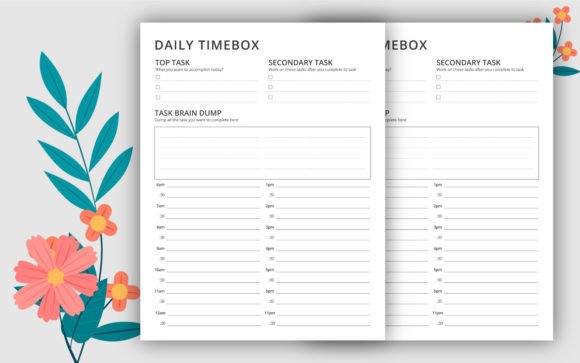
The "personality" of these interiors is functional and professional. The appeal lies in the white space and the structural clarity. For a small business owner or marketer, a cluttered page creates cognitive load. This planner set prioritizes usability. The typography choices are not decorative for the sake of flair; they are premium font selections chosen for readability and visual hierarchy. The headers likely utilize a bold weight to separate sections clearly, ensuring that users can scan the page quickly—a vital feature for busy professionals.
Strategic Applications for Creators and Brands
The utility of Project Planner 2 extends beyond simple journaling. For entrepreneurs and brand strategists, these layouts can be adapted into specialized tools. Consider using the 120-page version as a brand identity workbook for clients, or the 100-page version as a specialized content calendar for bloggers. Because the files include PPT and PNG formats, you can extract specific pages to use as social media graphics, creating a cohesive visual language between your physical product and your digital presence.
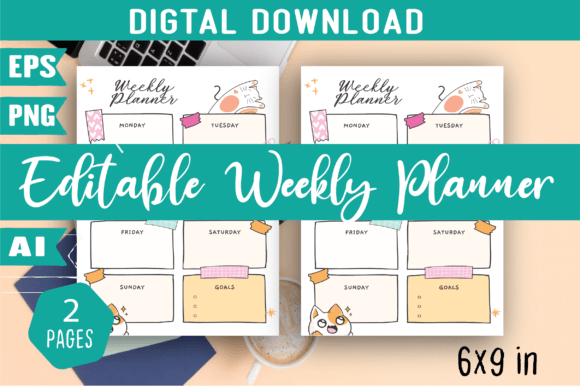
For crafters and hobbyists, the high-resolution nature of the files allows for customization in software like Canva or Adobe Illustrator. You can layer your own graphics or script fonts over the existing templates to create a unique packaging design feel. The consistency of the layout ensures that even if you add personal flair, the final product retains a sense of professionalism that generic templates often lack.
Integrating Project Planner 2 into Your Workflow
Adopting a ready-to-upload solution like this changes how you approach publishing. Instead of spending hours in InDesign adjusting margins, you can focus on the content strategy and marketing of your book. The Project Planner 2 acts as a foundation. It allows designers and publishers to maintain a high standard of quality across multiple releases without reinventing the wheel for every project.
When evaluating this set for your needs, consider the visual tone. The clean, structured nature of these planners pairs well with minimalist branding. If your brand identity relies on chaotic, hand-drawn aesthetics, you might use these interiors as a contrast—a structured "business" section inside a creative cover. However, for most commercial applications, the professional, tested nature of these files offers a significant return on investment. It is a practical asset for anyone looking to scale their publishing efforts on Amazon KDP with confidence.